From Features to Belief: A Practical Guide to Narrative Design in Product Marketing
In today’s crowded marketplace, simply listing features and benefits isn’t enough. Products are no longer just tools; they’re experiences, solutions, and often, extensions of our aspirations. This is where narrative design comes in – not just for novelists and filmmakers, but for product marketers who want to forge a deeper connection with their audience, moving them from passive consideration to active belief.
Narrative design, in essence, is the art of crafting a compelling story around your product. It’s about understanding the journey your user is on, identifying their struggles and desires, and positioning your product as the catalyst for their success.
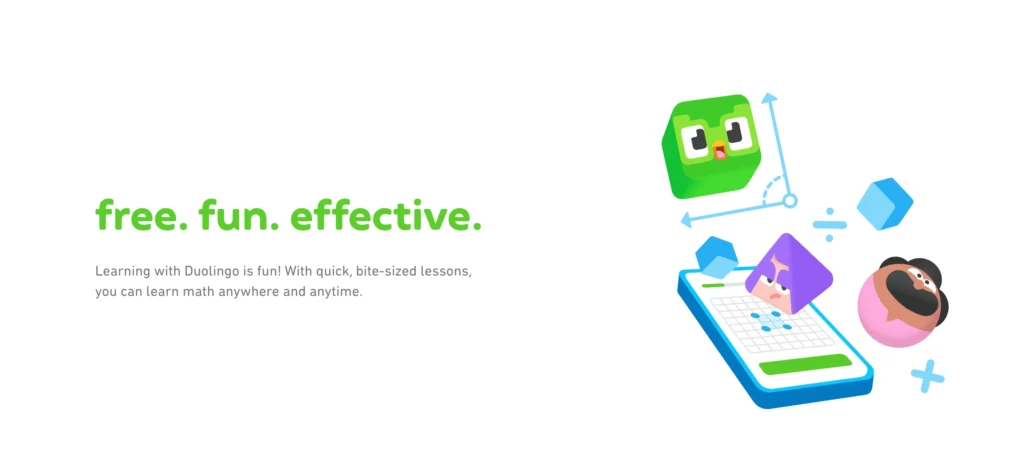
Let’s break down how to practically apply narrative design, using a fascinating example: Duolingo Math.
The Old Way vs. The New Way: Why Narratives Matter
Imagine if Duolingo Math simply marketed itself with: “Learn basic arithmetic! Practice equations! Daily exercises!” While accurate, it’s dry and uninspiring. It focuses on what the product does, but not why it matters to the user’s life.
The new way, the narrative way, taps into a universal truth: we all want to be better versions of ourselves. We want to overcome challenges, acquire new skills, and feel a sense of accomplishment.
Key Elements of Narrative Design in Product Marketing
1. The Hero: Your User
Every great story has a hero, and in product marketing, that hero is your customer. What are their goals? What challenges do they face? What aspirations do they hold?
For Duolingo Math, the hero isn’t necessarily a child struggling with multiplication (though they could be). It’s anyone who feels a pang of inadequacy when confronted with numbers, whether they’re an adult trying to budget, a student aiming for better grades, or someone wanting to sharpen their cognitive skills. Their challenge is often a lack of confidence or a perceived inability to grasp mathematical concepts.
2. The Inciting Incident: The Moment of Realization
What sparks your hero’s journey? It’s the moment they realize they have a problem that needs solving, or a desire that needs fulfilling.
For our Duolingo Math hero, this might be:
- Helping their child with homework and feeling out of their depth.
- Looking at their personal finances and realizing they need a better grip on numbers.
- A job interview where basic math questions tripped them up.
- A personal desire to learn something new and challenge themselves.
This is the pain point your product addresses.
3. The Mentor/Guide: Your Product
Here’s where your product steps in. It’s not the hero; it’s the wise mentor, the helpful guide that empowers the hero to overcome their challenges. Your product provides the tools, the knowledge, and the support.
Duolingo Math isn’t just an app; it’s the friendly, encouraging tutor that makes math accessible and even fun. Its design, gamification, and bite-sized lessons position it as the perfect companion for someone on their math-learning journey.
4. The Journey: The Transformation
The hero’s journey is rarely a straight line. There are triumphs and setbacks, moments of struggle and moments of breakthrough. Your narrative should illustrate this journey, showing how your product facilitates the hero’s progress.
Think about the small wins within Duolingo Math:
- Mastering a new concept.
- Earning XP and climbing leaderboards.
- Receiving encouraging feedback.
- Feeling a growing sense of confidence.
Each of these is a beat in the story, demonstrating the product’s effectiveness and the hero’s transformation.
5. The Resolution: The Transformed Hero
What does success look like for your hero, thanks to your product? How have they changed?
With Duolingo Math, the resolution isn’t just “they know math.” It’s:
- Increased confidence in everyday numerical tasks.
- Improved problem-solving skills.
- The joy of learning and mastering a new skill.
- Empowerment to tackle previously daunting challenges.
They are no longer someone who “can’t do math”; they are someone who can.

Crafting Your Product’s Narrative: A Practical Checklist
- Identify Your Hero: Who is your ideal customer? What are their core motivations and pain points?
- Define Their Challenge: What specific problem does your product solve for them? What are they struggling with before your product?
- Position Your Product as the Guide: How does your product empower the hero? What unique “powers” or features does it offer that help them on their journey?
- Map the Transformation: What does the journey look like? How does your product facilitate their progress and small wins?
Visualize the Outcome: What does ultimate success and transformation look like for your hero? How will their life be better after using your product?
Bringing It All Together: The Duolingo Math Story
Let’s imagine the narrative Duolingo Math could tell:
“Are you tired of feeling intimidated by numbers? Do simple calculations fill you with dread, or do you wish you could confidently help your child with their math homework?
Meet Sarah. She’s a bright, curious individual, but math has always been her Achilles’ heel. A recent budget crunch made her realize she needed to sharpen her skills, but traditional learning felt overwhelming.
Then she discovered Duolingo Math. It wasn’t about boring textbooks; it was about playful challenges and bite-sized lessons. **

Every day, with Duolingo Math as her friendly guide, Sarah embarked on a new quest, tackling equations and mastering concepts she once thought impossible. The challenges were engaging, the feedback encouraging, and soon, numbers stopped being a source of fear and started becoming a puzzle to solve.
Now, Sarah doesn’t just understand her budget; she confidently plans for the future. She doesn’t just help her child with homework; she inspires a love for learning. She’s not just “bad at math” anymore; she’s a confident problem-solver, empowered by the joy of learning.
Are you ready to write your own success story? Let Duolingo Math be your guide to unlocking your mathematical confidence and transforming your relationship with numbers.”
Conclusion
Narrative design isn’t about fabricating stories; it’s about revealing the inherent human story within your product. By understanding your hero, their journey, and the transformative power of your product, you can move beyond mere features and benefits, and build a narrative that resonates deeply, fostering belief and ultimately, driving adoption. Start thinking like a storyteller, and watch your product marketing transform.